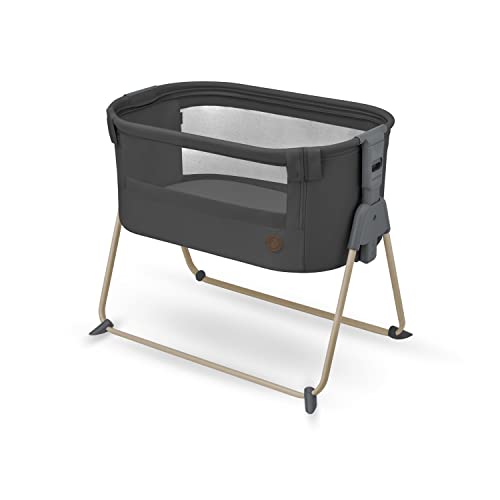
Understanding Baby Co-Sleeper Cribs: A Comprehensive Guide
As new parents prepare for the arrival of their children, the dispute over sleeping arrangements often develops. The option in between separate cribs, bed-sharing, and co-sleeping is a significant consideration. In current years, co-sleeper cribs have actually gotten considerable popularity due to their viewed benefits for both parents and infants. This article will explore what baby co-sleeper cribs are, their advantages and disadvantages, how they compare to traditional cribs, and important safety guidelines.
What is a Baby Co-Sleeper Crib?
A baby co-sleeper crib, also called a bedside crib or sidecar crib, is developed to be put beside the moms and dad's bed. It allows parents to have their baby nearby during sleep without the risks associated with bed-sharing. Bedside Cot For Baby's Room developed cribs often include adjustable height settings, security straps, and a detachable side panel, making them a convenient option for nighttime feeding and soothing.
Key Features of Co-Sleeper Cribs:
- Height Adjustability: Enables the crib to align completely with the parents' bed mattress.
- Detachable Side Panel: Facilitates easy access to the baby for feeding or soothing.
- Security Straps: Secure the crib to the moms and dad's bed to avoid any spaces.
- Compact Design: Saves space while providing comfort.
Advantages of Co-Sleeper Cribs
Co-sleeper cribs provide numerous advantages for both parents and babies.
- Benefit of Nighttime Feeding: The close distance permits parents to more quickly breastfeed or bottle-feed during the night.
- Promotes Bonding: Parents can more quickly comfort their babies, developing a strong psychological bond.
- Enhanced Sleep: Many parents find that having the baby close at hand reduces nighttime stress and anxiety, causing much better sleep for everyone.
- Easier Monitoring: Parents can keep a close eye on their baby while sleeping, guaranteeing they are safe and comfortable.
- Safer Alternative: Co-sleeper cribs lower the dangers connected with bed-sharing, such as suffocation occurrences.
Table 1: Advantages of Co-Sleeper Cribs
| Benefit | Description |
|---|---|
| Convenience of Nighttime Feeding | Ease of access for breastfeeding or soothing babies during the night. |
| Promotes Bonding | Boosted emotional connection through proximity throughout sleep. |
| Improved Sleep | Minimized adult anxiety results in a more peaceful night. |
| Easier Monitoring | Localized view enhances reassurance for parents. |
| Much safer Alternative | Lower danger of suffocation compared to bed-sharing. |
Drawbacks of Co-Sleeper Cribs
While co-sleeper cribs come with a number of benefits, they likewise have some downsides.
- Restricted Use: Co-sleeper cribs are usually just used for the first 6 months or two, till the baby starts to move around.
- Expense: Quality co-sleeper cribs can be more expensive than traditional cribs.
- Space Constraints: A co-sleeper crib needs appropriate space next to the adult bed, which may not be offered in smaller sized rooms.
- Feasibility for Larger Adults: Some adults might discover it uncomfortable to lean over the crib for nighttime needs.
Table 2: Disadvantages of Co-Sleeper Cribs
| Disadvantage | Description |
|---|---|
| Limited Use | Usable just for a short time till the baby grows. |
| Cost | Greater cost point compared to standard options. |
| Space Constraints | Needs sufficient space surrounding to the adult bed. |
| Expediency for Larger Adults | May trigger discomfort when reaching over for nighttime care. |
Comparing Co-Sleeper Cribs to Traditional Cribs
The option between co-sleeper cribs and traditional cribs significantly affects the parenting experience.
Secret Differences:
| Feature | Co-Sleeper Crib | Conventional Crib |
|---|---|---|
| Proximity | Next to parent's bed | Different room |
| Availability | Easy grab nighttime care | Requires getting out of bed |
| Period of Use | 0-6 months, depending on growth | Generally used for several years |
| Size | Compact and space-saving | Usually bigger and more stable |
Security Guidelines for Co-Sleeper Cribs
To make sure the most safe sleeping arrangement, parents must stick to specific security guidelines when using a co-sleeper crib:
- Secure the Crib: Use safety straps or attaching systems to secure the co-sleeper to the adult bed, decreasing space in between the two.
- Use a Firm Mattress: Make sure the mattress is firm and fits snugly within the crib.
- Avoid Soft Bedding: Minimize the use of soft things such as pillows, blankets, or packed toys in the crib.
- Display Baby's Movement: Stay attentive to how the baby moves during sleep.
Frequently Asked Questions about Baby Co-Sleeper Cribs
Q1: Are co-sleeper cribs safe?
A1: Yes, when used according to security guidelines, co-sleeper cribs can provide a safe sleep environment while keeping the baby near to the parents.
Q2: How long can I use a co-sleeper crib?
A2: Co-sleeper cribs are generally created for use from birth till the baby is around six months old or can press themselves up.
Q3: Can I use a co-sleeper crib if I have a small bed room?
A3: Yes, most co-sleeper cribs have a compact design, making them appropriate for small spaces.
Q4: Do co-sleeper cribs require assembly?
A4: Most co-sleeper cribs require some assembly, however the procedure is typically uncomplicated and accompanied by directions.
Q5: What should I do if my baby outgrows the co-sleeper?
A5: Transition your baby to a conventional crib in their own room or a neighboring location that abides by safe sleep guidelines.
Baby co-sleeper cribs offer an engaging choice for parents who want to keep their infants nearby during sleep. They offer many benefits, consisting of ease of nighttime feeding and promoting close bonds. Nevertheless, like all parenting options, it's important to weigh the advantages and downsides and consider specific living circumstances and choices. By adhering to safety standards, parents can create a safe and secure sleep environment for their youngsters, guaranteeing peace of mind for the whole household.